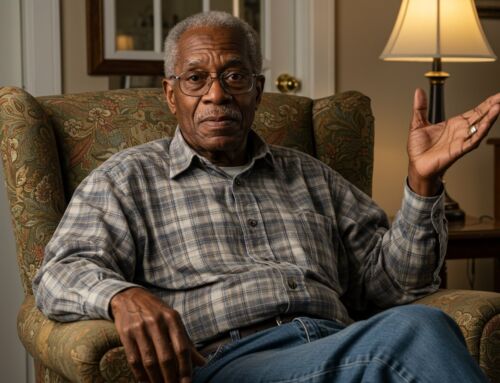
Home has always seemed a cozy, familiar place to you and your family, but when a loved one is diagnosed with dementia, it can suddenly feel risky. A patterned rug might look like a hole, or a mirror might appear to show a stranger. Even a stove knob can become a fire hazard. You want to keep them safe, but it can feel overwhelming with so many changes to make. Focusing on dementia safety at home isn’t just about preventing accidents; it’s also about ensuring the well-being of individuals with dementia. It’s about helping them stay independent longer.
By making smart changes to the living space, you can reduce confusion and anxiety. This creates a calmer place where they can move around comfortably, and you can relax.
Key Takeaways:
- Dementia safety at home relies on understanding how the condition changes depth perception and sensory processing.
- High-contrast colors, such as a red toilet seat on white porcelain, help individuals identify objects.
- Kitchen safety involves using induction cooktops, knob covers, and locking away toxic cleaning supplies.
- Bathroom modifications must prioritize fall prevention through non-slip flooring and grab bars.
- Wandering risks can be managed with camouflaged exits, door alarms, and, additionally, GPS wearable technology.
- Smart home technology, like motion sensors and smart plugs, offers twenty-four-seven monitoring.
- Routine audits using a safety checklist ensure the home adapts as the condition progresses. Occupational therapists can provide professional assessments to identify risks you might miss.
Creating a Safer Home Environment for Dementia Care
Living with dementia changes how a person experiences the world. While memory loss is often the first symptom that comes to mind, dementia actually reshapes how the brain processes every kind of sensory information. Because of that, ensuring dementia safety at home is not simply about removing trip hazards; it’s about creating an environment that feels calm, clear, and predictable.
With the right adjustments, each room can become a supportive space that helps your loved one remain as independent and comfortable as possible.
Understanding How Dementia Changes Perception
Dementia affects not only what people remember but also how they see, hear, and move through their environment. Understanding these perceptual shifts is the first step in improving dementia safety at home.
As vision changes, the world can become confusing. Contrast sensitivity fades, depth perception declines, and peripheral vision narrows. A dark doormat might look like a hole in the floor, and shiny floors might appear wet. These distortions contribute to fear, hesitation, or even falls.
Sound can also become overwhelming. Every day background noise, a humming refrigerator, soft music, or a busy TV scene, may blend into one confusing wave of sound. This overstimulation increases agitation and can also lead to restlessness in the afternoon or evening, often known as sundowning.
By recognizing how dementia changes perception, caregivers can also focus more on the “why” behind accidents or distress and create solutions that truly meet the root cause.
Reducing Fall Risks in Living Areas
Falls are the leading cause of injury for older adults, and dementia significantly increases this risk. Changes in gait, balance, and judgment mean living areas require safety overhauls.
Flooring and Surface Choices
The type of flooring you choose makes a massive difference. Shiny floors can look wet, causing a person to walk tentatively or try to step over the “water.” Heavily patterned carpets can look like moving snakes or insects, or they may hide dropped objects like pills or keys.
- Choose matte, low-pile flooring in consistent patterns or solid colors.
- Remove all throw rugs, electrical cords, and door thresholds that could trip shuffling feet.
- Avoid shiny finishes or intricate patterns that may appear to move or shift.
Creating Spacious, Predictable Layouts
Furniture layout matters as much as the flooring itself. Arrange furniture along walls whenever possible to create clear, consistent walkways. Keep frequently used items within easy reach, and remove delicate or wobbly pieces that could tip over if used for balance or leaned on.
Armchairs with sturdy armrests are ideal for mobility support. Also, cover or move mirrors if they cause distress, as reflections can sometimes be mistaken for unfamiliar people.
Kitchen Adjustments that Balance Safety and Independence
The kitchen offers both a comforting routine and serious potential hazards. By refining organization and appliance use, you can maintain dignity and autonomy while still protecting your loved one.
Managing Appliance Risks
- Induction cooktops heat only when cookware is placed on them, reducing burn hazards.
- Automatic shut-off plugs or timer switches help prevent electrical mishaps.
- Gas shut-off valves and stove knob covers add extra layers of safety.
Organizing for Calm and Clarity
Keep the environment simple. Store daily-use items, like a favorite mug or cereal bowl, in open shelving or clear containers. Lock away cleaning chemicals and knives, and label drawers with both words and pictures. These clear cues reduce frustration and promote confidence.
Bathroom Modifications for Comfort and Injury Prevention
Bathrooms can easily become high-risk spaces because of water, slippery floors, and limited maneuvering space. Fortunately, a few thoughtful updates greatly improve dementia safety at home.
Preventing Scalds and Overflows
- Set the water heater to 120°F (49°C) to prevent burns.
- Install anti-scald faucets and temperature regulators for showers.
- Consider automatic shut-off faucets or overflow plugs to avoid flooding accidents.
Enhancing Visibility and Stability
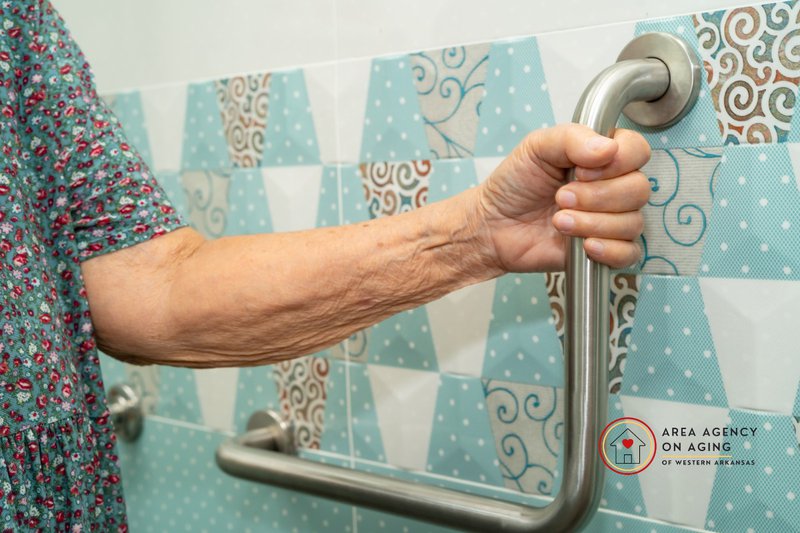
- Place grab bars near the toilet and inside the shower; also check regularly to measure steadiness and structural integrity.
- Install a contrasting toilet seat and wall color for better recognition.
- Remove the door lock to prevent being accidentally locked inside.
Optimizing Lighting and Contrast for Safety
Proper lighting is one of the most effective and affordable ways to improve dementia safety at home. Shadows and dim corners are also breeding grounds for confusion and hallucinations.
Regulating Light Levels
Daytime lighting should be bright and consistent. Open curtains to let in natural light, which helps regulate the body’s circadian rhythm and improves mood. However, you must manage glare. Glare on shiny floors or tables can be blinding or confusing. Sheer curtains can diffuse harsh sunlight while keeping the room bright.
In the evening, lighting should be softer to prepare the mind for sleep. Install motion-sensor lights in hallways, bathrooms, and bedrooms. These are critical for preventing falls during nighttime bathroom trips. If a person wakes up in pitch blackness, they may panic or trip over furniture. A motion light provides immediate orientation; cost-effective options for constant dim nightime lighting, like nightlights, are also available.
The Power of Color Contrast
Contrast is also a vital tool for navigation. If the floor and the walls are the same color, a person with dementia may not see where the wall meets the floor. This can cause dizziness or unsteadiness.
| Item | Standard Home Setup | Dementia-Friendly Setup |
|---|---|---|
| Toilet | White seat on white bowl. | Red or blue seat on white bowl. |
| Flooring | Patterned rugs or shiny wood. | Matte, solid-colored vinyl or carpet. |
| Stairs | Same color tread and riser. | High-contrast tape on step edges. |
| Light Switches | White switch on white wall. | Dark switch plate on light wall. |
| Furniture | Chairs blending with the rug. | Chairs that contrast sharply with the floor. |
Dementia Safety at Home Includes Managing Nighttime Confusion and Wandering
Evenings bring increased confusion and restlessness for many dementia patients. Because of that, planning for nighttime safety is essential.
For both risk management and prevention, even if your loved one hasn’t already developed a habit of wandering, it’s crucial to keep pathways clear and well-lit using amber or soft nightlights. Incorporating low-profile beds with safety mats beside them can prevent falls. Additionally, motion sensors or pressure alarms are useful in alerting caregivers to unexpected movements, enhancing overall safety, and ensuring a more secure environment for loved ones.
Routine lighting patterns can prevent disorientation while supporting sleep quality throughout the night.
Deterring Wandering with Visual and Technological Tools
Unsupervised wandering can be frightening for families, but subtle cues and safe technology can effectively reduce the risk.
Environmental Design Techniques
- Camouflage exit doors by painting them the same color as nearby walls.
- Hang fabric panels or bookshelf decals over less-used doors.
- Mark hazardous areas with simple “Stop” or “Private” signs for gentle redirection.
Helpful Technology for Added Safety
Install door alarms, window sensors, or GPS wearables (such as watches or insoles). While technology can help locate a loved one faster, it should always support, not replace, human connection and supervision.
Avoid depending solely on AI-based or app-driven monitoring; these systems are not always reliable and can raise privacy or trust concerns. Instead, prioritize tools that enhance real human caregiving awareness.
Using Smart Home Systems for Practical Assistance
Smart home devices, if used correctly, can simplify oversight and reduce stress for caregivers. When chosen wisely, they add convenience without becoming intrusive.
For example:
- Smart plugs can be used to automatically turn off dangerous appliances like space heaters or irons if they have been on for too long.
- Indoor cameras allow you to check on your loved one from your smartphone while you are at work or in the garden.
- Motion sensors can track patterns. For example, systems can alert you if the bathroom door has not been opened all morning, or if the front door opens at 3:00 AM. These insights help you adjust your care plan proactively.
These devices should supplement daily check-ins rather than replace them.
Maintaining a Safe Routine Every Day
Safety extends beyond gadgets; it becomes a habit built through daily, intentional routines. A consistent rhythm not only provides comfort but also strengthens confidence in familiar activities.
Keep meals and activities at steady times, avoid rearranging furniture, and post a visual checklist as a friendly reminder. Repeating these small actions daily keeps the home predictable and calm while helping caregivers stay organized.
Daily Dementia Safety Checklist
Use this quick list each morning and evening to keep dementia safety at home consistent and effective:
- Check that pathways are clear and well-lit in bedrooms, hallways, and living areas.
- Confirm that appliances and stoves are turned off or locked before bed.
- Ensure doors and windows are securely closed but easy to open in case of emergency.
- Review and remove any new clutter or obstacles from the day’s activities.
- Verify that nightlights and motion-sensor lights are functioning properly.
- Examine grab bars, mats, and rugs for wear or signs of slipping.
- Keep daily-use items like glasses, remote controls, or medications in familiar locations.
Building these checkpoints into your caregiving routine strengthens peace of mind while keeping your loved one’s environment orderly and safe, and repeating these actions at the same time each day reinforces comfort and predictability. More detailed advice and tips on daily care are available in guides to caring for your aging loved one.
Professional Assessments and Community Resources
You don’t need to handle every decision alone. Occupational therapists (OTs) are experts in evaluating homes for safety and function. They identify specific hazards and recommend personalized equipment suited to your loved one’s needs, and regular audits can also help prevent overwhelm for caregivers.
Accessing Financial Assistance
Many state and local organizations, including Area Agencies on Aging, provide grants or low-cost programs for home modifications. For instance, funding may cover grab bar installation, ramp construction, or door widening.
Also, smaller adjustments, such as nightlights, non-slip mats, and cabinet locks, deliver major safety improvements for minimal cost.
Additionally, the National Institute on Aging or the Centers for Disease Control and Prevention offer valuable advice and directories for credible home-safety resources.
Common Hazards and Simple Safety Solutions
| Common Hazard | Why It’s a Risk | Safer Solution |
|---|---|---|
| Glossy floors or patterned carpets | Confuse vision and depth | Use matte, single-tone flooring |
| Poor lighting and dark hallways | Increase falls and fear | Add layered lighting and nightlights |
| Open cleaning products | Mistaken for drinks | Store in locked, labeled cabinets |
| Gas stove burners | Left on accidentally | Use shut-off valves or knob covers |
| Cluttered counters | Heighten confusion | Simplify decor and clear surfaces |
| Free-moving rugs | Trip hazard | Remove or secure all rugs firmly |
Keeping Maintenance a Regular Priority
A home that is safe today might not be safe six months from now. Dementia is progressive, and needs will change.
Review your home safety setup every three to six months. If your loved one experiences a change in medication, a fall, or a decline in mobility, perform an immediate review.
- Monthly: Test smoke detectors and replace bulbs or batteries.
- Quarterly: Inspect grab bars, mats, and stair railings.
- Every six months: Reassess the space as needs evolve.
- As Needed: Declutter and remove items that are no longer used or that have become a source of confusion.
Empowering Caregivers Through Preparation
Caring for a loved one with dementia is a long journey that requires both endurance and compassion. Fortunately, creating a safe environment greatly lightens that emotional load.
Each safety improvement reduces moments of crisis and increases moments of peace. Over time, this transforms the home from a source of stress into a haven of familiarity and confidence, not just for your loved one but for the caregiver as well.
Continuing Support for Dementia Safety at Home
At Area Agency on Aging of Western Arkansas, we understand that dementia safety at home is about more than physical modifications. It’s about emotional support, caregiving education and support, and access to practical tools that protect dignity and well-being.
If you need personalized guidance, contact our team today to schedule a consultation or request information on funding support for home modifications. You can also explore our latest caregiving insights on our blog, including our Complete Guide to Caring for Your Aging Loved One.
Together, we can help your loved one remain safe, comfortable, and connected at home.